

Last Updated: November 8, 2026
Quick Summary
Small-batch artisanal seasonings are blended in limited runs, often by hand, so makers can control ingredient ratios and freshness closely. That usually produces bolder flavor, more adjustable salt and herb levels, and a fresher jar than mass-produced blends. They cost more per ounce, so they are worth buying where the difference shows in your cooking.
- Freshly ground spices tend to smell and taste bolder than mass-produced blends.
- Check the ingredient list order and sodium per quarter-teaspoon before comparing jars.
- Look for a batch or fill date, since a best-by date alone says little about freshness.
- Calculate cost per use by dividing the jar price by its listed servings.
- Store blends away from heat and light, and seal the lid fully after every use.
Table of Contents
- What Small-Batch Artisanal Seasoning Actually Means
- Small-Batch vs. Mass-Produced Seasonings: Where the Difference Shows Up
- The Benefits of Handcrafted Spice Blends in Everyday Cooking
- How to Choose Seasoning Blends: A Practical Buying Checklist
- Storing Artisanal Seasonings So They Stay Fresh After Opening
- Using One Blend Across Meats, Vegetables, and Grilling
- Artisanal Seasonings as Gifts for the Home Cook
- Start With a Few Blends and Taste the Difference
- Frequently Asked Questions
Walk into a spice shop in Kentucky and you can smell the difference before you read a single label. Small-batch artisanal seasonings are blended in limited runs, often by hand, which lets a maker control ingredient ratios and freshness closely. See a concrete example in Tuscany Spice Blend, a small-batch product from Gravel Switch Emporium.

What Small-Batch Artisanal Seasoning Actually Means
Small-batch seasoning is a blend made in limited quantities, usually with more attention to each ingredient than large-scale production allows. Artisanal describes the hands-on approach behind it: someone measures, blends and checks the mix instead of relying only on automated machinery.
The label alone does not guarantee quality. Ask what goes into the blend, how fresh the spices are, and how the batch is made. A clear answer usually signals a maker who cares about the result.
Small-Batch vs. Mass-Produced Seasonings: Where the Difference Shows Up
Mass-produced seasonings are built for consistency across millions of jars. That goal often means milder flavor, longer shelf life and standardized ingredients.
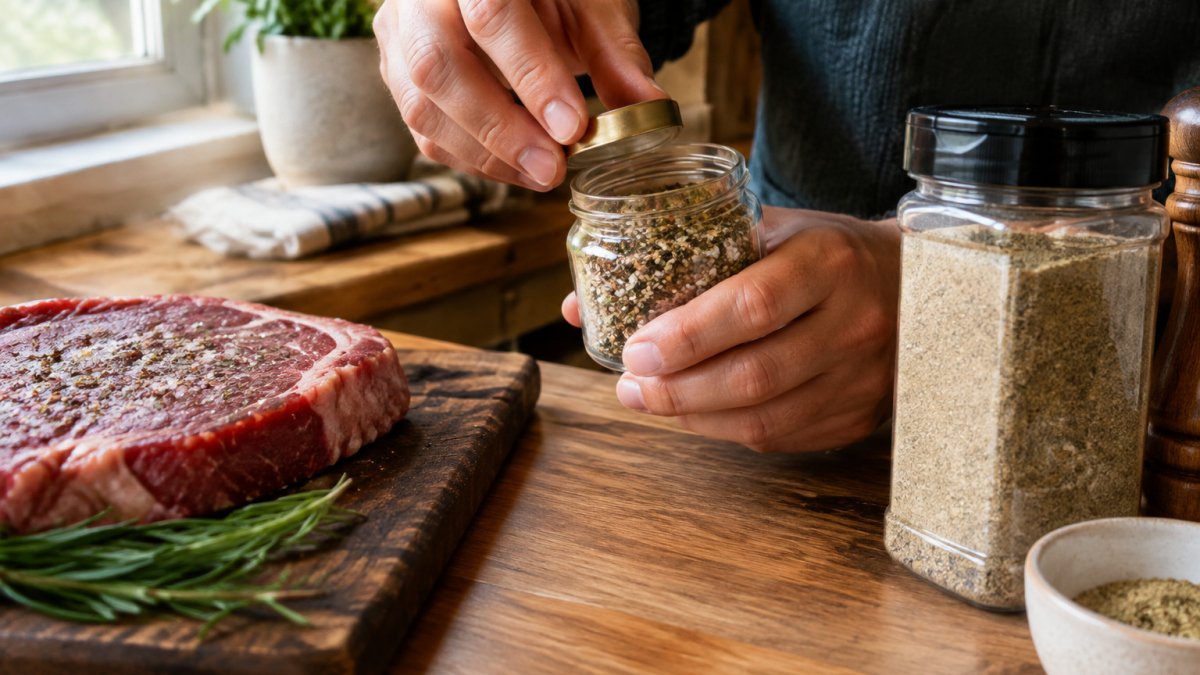
Small-batch blends differ in a few practical ways:
- Flavor intensity: Freshly ground spices tend to smell and taste bolder.
- Ingredient ratios: Smaller runs make it easier to adjust salt, herbs and heat.
- Freshness: Shorter time between blending and shelf reduces the stale, dusty note.
Mass-produced options still work well for everyday cooking. The difference shows most when a single pinch is supposed to carry the whole dish.
The Benefits of Handcrafted Spice Blends in Everyday Cooking
Handcrafted blends earn their place in the spice rack because they do real work in the kitchen:
- Less guesswork: A balanced blend gives you a finished flavor in one shake.
- Better results with simple food: Plain chicken, potatoes or vegetables taste deliberate.
- Lower sodium options: Some makers let you choose blends with less salt.
Many home cooks find that one good blend changes how often they reach for seasoning at all.
How to Choose Seasoning Blends: A Practical Buying Checklist
Most buying advice for seasonings stops at "read the label." That is not enough, because two jars with similar ingredient lists can differ widely in freshness, salt level, and cost per use. The framework below turns the checklist into a set of comparisons you can actually run in a store aisle or on a product page.
1. Read the ingredient list in order
Ingredients are listed by weight, so the first two or three tell you what the blend mostly is. If salt is first, you are buying a salt blend with seasoning in it, which is fine if that is what you want but changes how you should use it. Look for recognizable whole or ground spices and herbs rather than a long tail of "natural flavors," anti-caking agents, and silicon dioxide. A short, plain list is not automatically better, but it is easier to verify.
2. Compare sodium on a like-for-like basis
Sodium is listed per serving, and serving sizes vary between brands, so compare the milligrams of sodium per quarter-teaspoon rather than per "serving." If you cook with restrictions or simply want more control, look for a no-salt or low-salt version of the blend and add salt separately. That gives you the flavor of the spices without locking in the maker's salt ratio.
3. Check for allergens and dietary fit
Common allergens in blends include sesame, mustard, celery, and gluten-containing grains, and some blends include dairy powders or soy. If you cook for someone with a restriction, read the full allergen statement rather than the front-of-label claims. "Gluten-free" and "no additives" are marketing terms unless the label backs them with a specific statement, so treat them as questions to verify, not answers.
4. Look for freshness cues you can verify
A batch date, fill date, or lot code is the most useful freshness signal on a label. A "best by" date alone tells you less, because it is set by the maker and says nothing about how long the jar has been open. If the seller lists where the spices come from or how often blends are made, that is a sourcing detail you can weigh.
5. Match the blend to how you actually cook
Think about your week, not an aspirational pantry. If you grill often, a smoky, savory blend earns its space. If you roast vegetables several nights a week, an herb-forward blend will get used faster. Buy the flavor profile you will reach for, not the one that sounds most interesting on the shelf.
6. Calculate cost per use, not cost per jar
Divide the jar price by the number of quarter-teaspoon servings the label lists, or estimate from the net weight. A $12 jar with 60 servings costs about $0.20 per use; a $6 jar with 20 servings costs about $0.30 per use. Potency matters too: a more concentrated blend may need less per dish, which lowers the effective cost.
7. Weigh the trade-offs honestly
Small-batch blends often cost more per ounce than mass-produced ones, and that is a real trade-off rather than a marketing trick. You are paying for shorter runs, fresher ingredients, and more hands-on blending, and you should expect the flavor to justify the difference. If it does not, a mass-produced blend may be the better buy for that particular use.
A worked example
The Spice Blend Bundle at $25.00 includes five blends, which works out to $5.00 per blend. Individual blends in the catalog are priced at $6.00 each, so the bundle lets you test several flavors before committing to a full-size jar of any one. That is the kind of comparison the checklist is meant to produce: not a verdict on whether artisanal is better, but a clear read on what you are paying for and whether you will use it.

Storing Artisanal Seasonings So They Stay Fresh After Opening
Freshness in a seasoning blend is mostly about volatile oils. Those oils are what you smell when you open the jar, and they are also what you taste. Heat, light, air, and moisture all speed their loss, which is why the same blend can taste bright on day one and flat six months later.
What actually degrades a blend
- Heat accelerates the chemical reactions that flatten aroma. A cabinet next to the oven or above the stove is one of the worst places in the kitchen.
- Light breaks down pigments and aromatic compounds. A clear jar on an open shelf looks nice but ages faster than an opaque or tinted container kept in a cabinet.
- Air carries oxygen that oxidizes oils and carries aroma away every time the lid is open. Wide-mouth jars that expose the whole surface are less protective than shaker tops that limit exposure.
Practical storage rules that hold up
- Keep blends in a cool, dry cabinet away from the stove, dishwasher, and windows.
- Seal the lid fully after every use; a loose lid is the most common cause of a blend going flat early.
- Use a dry spoon or shake into your hand or a small dish rather than over a steaming pot.
Watch out: shaking seasoning directly over a simmering pan is the fastest way to introduce steam into the jar, and once a powder blend clumps from moisture it will not fully recover its texture.
How long blends actually last
There is no single shelf life for every blend, because whole spices, ground spices, dried herbs, and salt-based mixes age at different rates. A common pattern among small makers is to recommend using a blend within about six months to a year of opening for peak aroma, with whole-seed blends holding longer than finely ground ones.
Reading packaging as a freshness signal
Packaging tells you a lot before you open the jar. Opaque or tinted glass and metal tins block light. A tight-sealing shaker top limits air exchange. A fill date or batch code printed on the label lets you judge how long the jar sat before it reached you. Resealable pouches can work well for bulk amounts if you transfer to a rigid container at home, but thin bags offer little protection against crushing and light.
A quick freshness check before and after opening
Before you buy, smell the blend if you can, or ask the seller how recently it was blended. After opening, check the aroma weekly for the first month. A blend that once smelled sharp and complex and now smells like dust has lost most of what you paid for.
Freshness depends largely on how you store a blend after you open it; the main factors are below.
| Factor | How it degrades a blend | Practical fix |
|---|---|---|
| Heat | Speeds loss of aroma | Store away from the stove and oven |
| Light | Breaks down pigments and aromatic compounds | Keep in opaque or tinted containers in a cabinet |
| Air | Oxidizes oils and releases aroma | Seal the lid fully after every use |
| Moisture | Clumps powders and can encourage mold | Shake over a dry dish, not a steaming pot |
| Shelf window | Peak aroma fades over time | Use within about six months to a year of opening |
Using One Blend Across Meats, Vegetables, and Grilling
A good all-purpose blend can carry a whole week of meals. Try these uses: a versatile option for grilling and meats is California Spice Blend.
- Grilled meats: Season Cowboy Butter Seasoning into softened butter and spread it over steak or chicken.
- Roasted vegetables: Toss Tuscany Spice Blend with olive oil before roasting potatoes or peppers.
- Marinades: Mix California Spice Blend with oil and a splash of acid for chicken before a cookout.
- Rice and sauces: Stir Coconut Thai Spice into rice or a quick vegetable stir-fry.
Start small. A little blend goes further than most cooks expect, so add more after tasting.

Artisanal Seasonings as Gifts for the Home Cook
A jar of artisanal seasoning makes a thoughtful gift for anyone who enjoys cooking. Pair one blend with a wooden spoon or a small cookbook, or pick a full set for someone who likes to experiment. The Spice Blend Bundle works well for this, since it gives the recipient several flavors in one box.
Start With a Few Blends and Taste the Difference
The best way to learn what you like is to try a few blends side by side. Pick one for meat, one for vegetables and one for something bold, then note which you reach for most. Browse the full seasonings collection at Gravel Switch Emporium to find your next favorite. Once you taste fresh, carefully blended seasoning, it is hard to go back.
Frequently Asked Questions
What are the five major seasonings?
Salt, black pepper, garlic, onion, and chili pepper are the seasonings most home cooks reach for first, and most blends are built around some combination of them. Each one contributes a different layer: salt brings out flavor, pepper adds sharpness, garlic and onion add savory depth, and chili adds heat. A good artisanal blend balances these elements on purpose rather than relying on fillers to bulk up the mix. When you compare labels, look for the first few ingredients to see which of these building blocks dominate the blend.
Do small-batch spices taste fresher?
Freshness depends on how quickly ground spices lose their volatile aromatic oils after milling, so the time between grinding and jarring matters. You can check freshness yourself by rubbing a pinch between your fingers and smelling it: a strong, specific aroma is a good sign, while a dusty or flat smell suggests the blend is past its best. Seal opened jars tightly and keep them away from heat and light to protect that aroma.
What should I look for when buying a spice blend?
Start with the ingredient list and check that real spices and herbs come first, with salt and any additives clearly named. Look for a production date or batch information, a clear description of how the blend is made, and a way to contact the maker with questions about sourcing. If you cook with sodium restrictions or have allergies, read the label for salt content and common allergens before buying. Finally, compare cost per use rather than sticker price: a larger jar may be a better value if you cook with it often.
How should I store artisanal seasonings to keep them fresh?
Keep seasonings in airtight containers away from the stove, the dishwasher, and any window that gets direct sun, since heat, light, and moisture all break down aroma. A cool, dry cabinet works well for most blends. Avoid shaking seasoning directly over steam, and use a clean, dry spoon each time so moisture does not get into the jar. Whole spices last longer than ground ones, so grind small amounts as you need them if you have the equipment.
